

Online LGBTQ+ Support Groups for Adults
LGBTQ+ support groups work because the other people in the room already get it. You won't have to explain why a family dinner wrecked your weekend or why correcting someone on your pronouns took more out of you than it should have. You can describe a hard week and get nods instead of follow-up questions, or hear someone put words to something you've felt for years but never said out loud.
You can join a support group alongside individual therapy or begin with a group on its own. Either way, you’ll have a space where you can show up honestly, feel less alone, and connect with people who understand you.
.png)

What Is an LGBTQ+ Support Group?
At Allswell, an LGBTQ+ support group is a small, therapist-led space where people meet regularly to talk about experiences they may not have many other places to share.
Allswell offers online LGBTQ+ support groups for adults across Maryland, Virginia, and Washington, DC. An affirming, licensed therapist leads each group and brings together a small number of people working through similar experiences and emotions.
Allswell groups are virtual and run in six-week cycles with the same small group. Each session opens with a short lesson, then moves into conversation and practice, so you leave with skills you can actually use in real life.
Joining a support group is simple. You can start by booking a free consult, which is a friendly call with a Care Coordinator who gets to know you and what you’re dealing with and connects you with a licensed therapist. Your therapist will determine if or when a support group fits in your treatment plan.
Who Allswell's Support Groups Are For
Allswell’s support groups are for LGBTQ+ adults at every stage of understanding and expressing who they are. You might feel settled in your identity, be trying out a new word for the first time, or simply know that you’d like to be around people who understand more of your experience.
You’re welcome whether you’re:
- Out and proud, newly questioning, or somewhere in between
- Trans, non-binary, gender-questioning, or cisgender
- Gay, lesbian, bisexual, pansexual, queer, asexual, or still finding language that feels right
- Just beginning to live openly or many years into it
- Working through something specific or simply missing a sense of community
You don’t need a polished story or a perfectly chosen label before you join. You can come as you are and find connections with people who may understand parts of your life that have been difficult to explain elsewhere.
Allswell's Clinical Model for Group Therapy

Every group is led by a licensed therapist.
Your facilitator is trained to notice when someone hasn’t had room to speak, help the group stay with difficult moments, and guide discussions in ways that feel supportive and useful. You can bring up something real without being left to manage the room’s response by yourself.
Connection is part of the treatment.
For LGBTQ+ people, feeling understood and having somewhere to belong can make a meaningful difference in depression, anxiety, and the strain of minority stress. The relationships that form in a group aren’t incidental. Learning that someone else has felt what you’re feeling, or survived something you’re still in the middle of, is part of building these connections.

The sessions build on one another.
Each meeting includes a short lesson drawn from evidence-based approaches such as cognitive behavioral therapy (CBT) and dialectical behavior therapy (DBT), followed by conversation and a chance to put the ideas into practice. You might learn a way to steady yourself during a difficult moment, try it during the week, and return to talk about what happened. Over six weeks, those small pieces begin to connect.

The group is protected on purpose.
In the first session, everyone agrees to clear expectations around confidentiality, respectful listening, and honoring one another’s identities. Facilitators address harmful comments directly rather than leaving group members to do it themselves. You’ll be invited to participate, but listening counts too, and you won’t be pressured to share before you’re ready.
Groups can work alongside individual therapy.
Your therapist and group facilitator communicate with your permission so the different parts of your care support each other.

We track progress and make adjustments as needed.
You’ll complete brief check-ins when you begin and about every 60 days. These progress checks help you and your care team see whether you’re feeling more connected, supported, and able to use what you’re learning in real life. If we don’t see meaningful progress, we’ll adjust your treatment plan.
What Allswell's Group Therapy Costs
During your free consultation, the team checks your exact coverage and lays out what to expect, including self-pay options, before you commit to anything.
Meet Your Group Therapy Leads
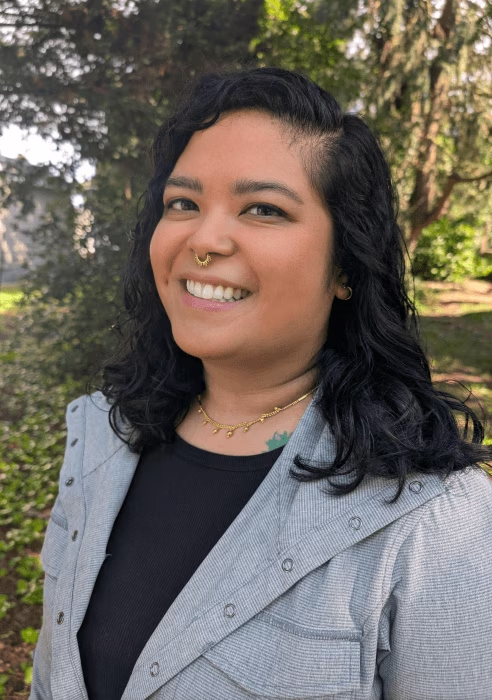
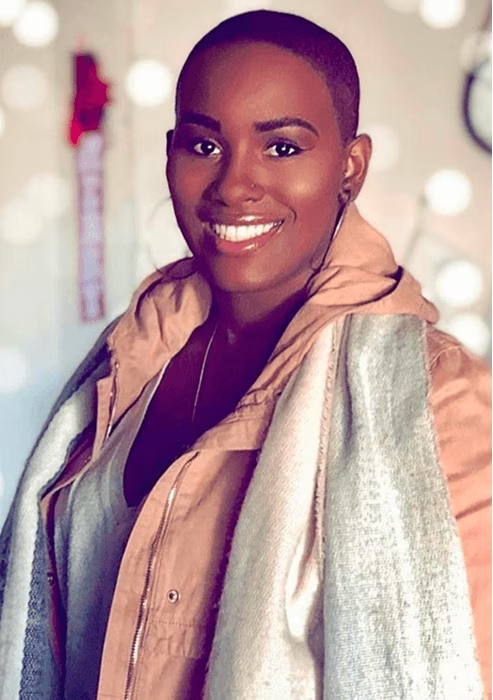
Allswell vets every therapist carefully. We look for real clinical experience, genuine fluency in LGBTQ+ lives, and the kind of warmth that makes a group feel safe enough to actually open up. You can meet some of our group therapy leads below:
.png)
Ready to Start?