

We’ve crossed state lines 🥳 Allswell is now live in Maryland, DC, & Virginia
Now accepting clients in MD, DC, and VA 💜
Close menu
DEPRESSION-FOCUSED CARE

Online Therapy for Depression

Depression can feel like it flattens everything. The things you used to care about may feel far away, and getting through a normal day may take more energy than you have, with little sense that it'll change. For many LGBTQ+ people, that weight runs even deeper: discrimination, rejection, and a world that isn't always built with you in mind can wear you down in ways that feed depression over time.

Book a Free Consult
Black right arrow symbol
An ornate empty picture frame sinking into pink shag carpet, with a small glowing light inside
CONTEXT

What Is Depression?

Depression is more than just a low mood or a rough week. It's a feeling of heaviness that can settle in and stay, draining your energy, your interest, and your sense that things can get better, often without a clear reason you can point to.

That "no reason" part is where a lot of people get stuck. It's easy to blame yourself for struggling with a life that looks fine from the outside in. But depression doesn't actually need a reason to show up. Online therapy for depression can help you understand what's underneath the depression and find your way back toward feeling like yourself.

At Allswell, we provide virtual, LGBTQ+ affirming therapy for depression to people throughout Maryland, Virginia, and Washington, DC. Working with an affirming therapist means you won't spend your sessions explaining why things that "shouldn't" be exhausting leave you drained, or why having hope can feel risky. Affirming care starts by taking your experiences seriously, whether you identify as LGBTQ+ or not.

Signs You Might Be Dealing With Depression

Depression looks different for everyone, but you might notice some of these patterns showing up in your day-to-day life:
  • A low, heavy, or empty mood that lingers for weeks rather than days
  • Losing interest in things you used to look forward to
  • Feeling drained or low on energy, even after rest
  • Altered sleep, whether that's sleeping far more or far less than usual
  • Shifted appetite or disinterest in food
  • Difficulty concentrating, making decisions, or getting started on things
  • Being hard on yourself, with feelings of guilt, worthlessness, or hopelessness
Recognizing yourself in some of these doesn't automatically mean you have depression, but it may be worth bringing to a therapist.

How Depression Can Show Up in the LGBTQ+ Community

Depression hits the LGBTQ+ community especially hard. In a 2022 national health survey, LGBTQ+ adults were about three times more likely to experience depression, with roughly half showing some depression symptoms. A lot of that comes down to minority stress.

Maybe it's a coworker's comment you let slide again or a family group chat you've had to mute. Maybe it's what you leave out when someone asks how you're doing. None of these things are unbearable on their own, but they can add up and wear you down over time.

This is where affirming care is so important. A therapist who already grasps minority stress and who isn't going to make you defend who you are can help you reach what's underneath the depression instead of it burning your energy in the background.


TREATMENT

How Allswell's Online Therapy Can Help Treat Depression

Allswell offers two ways to get help working through depression: individual online therapy and affirming support groups. In individual therapy, it's just you and a licensed therapist meeting over secure video. Support groups run in 6-week cycles with the same small group each time, building practical skills together. Being around people who are going through similar challenges can also soften the isolation that depression often comes with.

Our therapists work from evidence-based methods and create a customized treatment plan that fits what you're facing. For depression, treatment plans can often include:

CBT

Cognitive behavioral therapy

CBT can help you notice and shift the negative thought patterns depression tends to feed, and rebuild momentum through small, manageable steps.
BA

Behavioral activation

Depression can make everything feel like too much, so behavioral activation starts small. It works by reconnecting you with the activities, people, and routines that gradually bring energy and meaning back.
ACT

Acceptance and commitment therapy

ACT can help you make room for painful feelings without letting them run your life, so you can keep moving toward what matters to you, even on the hard days.
Depending on what helps, your therapist may also draw on internal family systems (IFS), which is an approach that treats your mind as having different "parts." With depression, that often means getting to know the harsh inner critic and helping you meet it with less judgment.
OUR APPROACH

Allswell's Clinical Model for Depression

Affirming care is where Allswell begins, but easing depression takes a careful, structured approach. We use proven methods, shaped to your actual life. Here's how we approach depression in detail:

Icon of two hands reaching towards each other on a blue circular background, symbolizing support and connection.
01

Affirming care is a clinical standard

The American Psychological Association and WPATH hold affirming care as the professional standard, and Allswell holds every therapist to it. That means you're not spending hard-to-find energy managing how your therapist reacts to your life.

Icon of a medical clipboard with a brain illustration and checkboxes, representing mental health assessment and planning.
02

We look at what's actually feeding the depression

Some of it may be chemistry or old patterns, and some may be the real cost of discrimination, rejection, or hiding. Your therapist works with you to tell those apart, because depression rooted in how the world has treated you isn't a personal failing.

Icon showing a split image of a heart and a brain joined together, symbolizing the balance between emotional support and clinical expertise.
03

Treatment includes homework and skills, not just talking

Depression thrives on withdrawal, so alongside talk therapy, your therapist helps you take small, concrete steps back toward the people, activities, and routines that rebuild energy and a sense of worth.

Icon of a computer screen displaying a video conference with multiple participants, representing group therapy or team collaboration.
04

CBT is adapted so your reality isn't argued with

Allswell therapists are trained to challenge the thoughts that aren't serving you without dismissing the genuine difficulties behind them.

Icon of a mobile phone showing a person in a video call, representing accessible one-on-one telehealth services.
05

Progress is measured, and the plan responds

You'll complete a brief depression check-in at intake and every 60 days, and your therapist reviews it with you. If your score and your daily life aren't improving, that's a cue to adjust your treatment plan.

Icon of a human profile made of colorful puzzle pieces, representing a comprehensive and personalized approach to mental health.
06

Connection is treated as part of recovery

Isolation can deepen depression, so alongside individual therapy, Allswell runs small skills groups where you rebuild connections with people who understand what you're going through.

Why Allswell Is Different

Our vetting looks past whether a therapist seems warm or open-minded. We only hire therapists with real clinical experience with LGBTQ+ clients and solid training in evidence-based, trauma-informed care.

We also believe healing isn't confined to a one-on-one room. It grows in community, which is why support groups run right beside individual therapy. These support groups connect you with people who recognize what you're going through and help you build skills you can use in real life.

Paying For Allswell's Depression Therapy

Allswell accepts both Medicaid and commercial insurance in Maryland, Virginia, and Washington, DC. Before your first session, our team will verify your benefits and give you a clear estimate of your cost per session.
MEDICAID
$0
Sessions typically fully covered, with no out-of-pocket cost.
COMMERCIAL INSURANCE
$10–25
Most clients pay this per session, depending on their plan.
SELF-PAY
$125–175
$175 for your first session, $125 for ongoing sessions.
If Allswell is out-of-network with your plan, we can provide a superbill that you can submit for possible reimbursement. We accept Health Savings Account (HSA) and Flexible Spending Account (FSA) card payments as well.

Getting Started With Allswell

1.
Schedule a 15-to-20-minute call with one of our Care Coordinators to talk through what you're looking for and get matched with the right therapist.
2.
Meet your therapist and build your care plan
Your first session is a 60-minute Welcome Session, where you and your therapist get to know each other and shape a plan that fits your goals.
3.
Begin ongoing sessions
From there, you'll meet for 45-minute sessions, usually weekly, and can join a support group if that feels right for you.

Allswell's Reviews and Success Stories

Allswell is a refuge for queer minds, where being understood isn't a privilege but the start.
Quote icon
Since my transition, every talk with family was tense and stressful. At Allswell, I felt heard.
Allswell Client, 26
Quote icon
When I was considering opening a relationship, Allswell was where I felt safe to talk.
Allswell Client, 39
Quote icon
I lost my job and was at a low. Allswell found me a great therapist covered by Medicaid.
Allswell Client, 32
Quote icon
I loved my Allswell experience. I found the community grounding and encouraging.
Allswell Client, 22
Quote icon
I felt safe, connected, and understood. We were dealing with dark, difficult topics.
Allswell Client, 41
Quote icon
I loved having supportive people to talk to who resonated with my struggles.
Allswell Client, 35

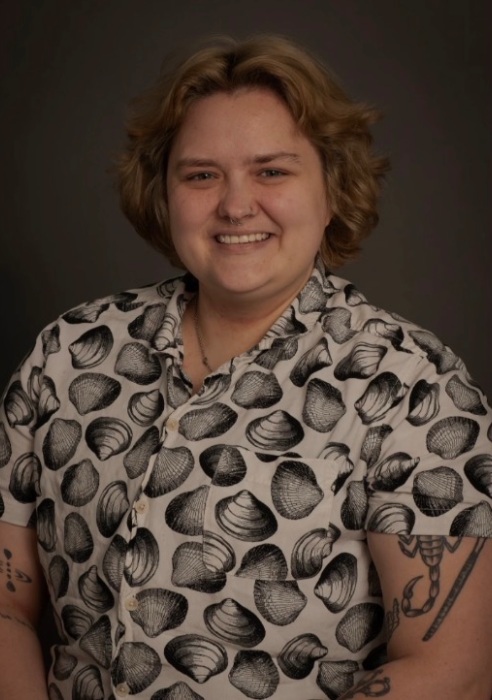
Meet Your Therapists Who Specialize in Depression

Once you begin, we'll connect you with a licensed therapist experienced in treating depression inside an affirming framework. Get to know a few of them below.

Fisher Ilijasic
Fisher Ilijasic
LGPC
He/ Him
DC
😰 Anxiety
🏢 Career & Work Stress
📱 Dating
😔 Depression
🏠 Family Relationships
🌎 Life Transitions
🫂 Relationships
😌 Self-Esteem
🛏️ Sex & Intimacy
Arrow Up
Linsey Megrue
Linsey Megrue
LMSW
she/they
Maryland, Virginia, DC
♾️ Neurodiversity
⚧️ Gender Identity
😔 Depression
😰 Anxiety
🫂 Relationships
💔 Trauma & PTSD
🏳️‍⚧️ Transgender
😌 Self-Esteem
💜 Chronic Illness & Disability
✊ BIPOC
Arrow Up
Caroline Doughty
Caroline Doughty
LGPC
She/Her
Maryland
😔 Depression
😰 Anxiety
🌎 Life Transitions
♾️ Neurodiversity
🏠 Family Relationships
🏢 Career & Work Stress
Arrow Up
Sakura Pate
Sakura Pate
MSW, BSW
She/ Her
Virginia
😰 Anxiety
🫂 Relationships
💔 Trauma & PTSD
🏢 Career & Work Stress
🏠 Family Relationships
🌱 Grief
🌎 Life Transitions
😌 Self-Esteem
😔 Depression
📱 Dating
Arrow Up

Book a Free Consult

If you're located in Maryland, Virginia, or Washington, DC, you can get started with Allswell today. Book a free consultation with one of our Care Coordinators, and we'll help match you with a therapist who fits your needs, your preferences, and your schedule.
Book Now
Black right arrow symbol